2021 Census: Multicultural Consumer Insights for Marketers
By Fiorela Ibazeta · February 24, 2023
An oft-repeated truism in the world of "Mad Men" is that brands need to "connect" with their audiences to generate awareness, foster customer loyalty, and ultimately enhance their bottom line. Yet, especially in Canada's rapidly evolving multicultural landscape, truly connecting with audiences requires a deep understanding of who they are, where they come from, and what matters to them. The 2021 Census provides a treasure trove of data that allows us to do precisely that.
Canada's population is growing at twice the rate of other G7 countries and is also the fastest-growing nation in the G20. As highlighted in the 2021 Census, immigration is the primary driver of this growth. Canada welcomed a record-breaking 1.44 million new immigrants and permanent residents between 2016 and 2021, reshaping the nation's demographic composition.
The positive trajectory of immigration in Canada is expected to persist as long as federal and provincial policies remain welcoming. Globally recognized as one of the safest and most livable countries on the planet, Canada continues to attract talent, families, and entrepreneurs from across the globe.
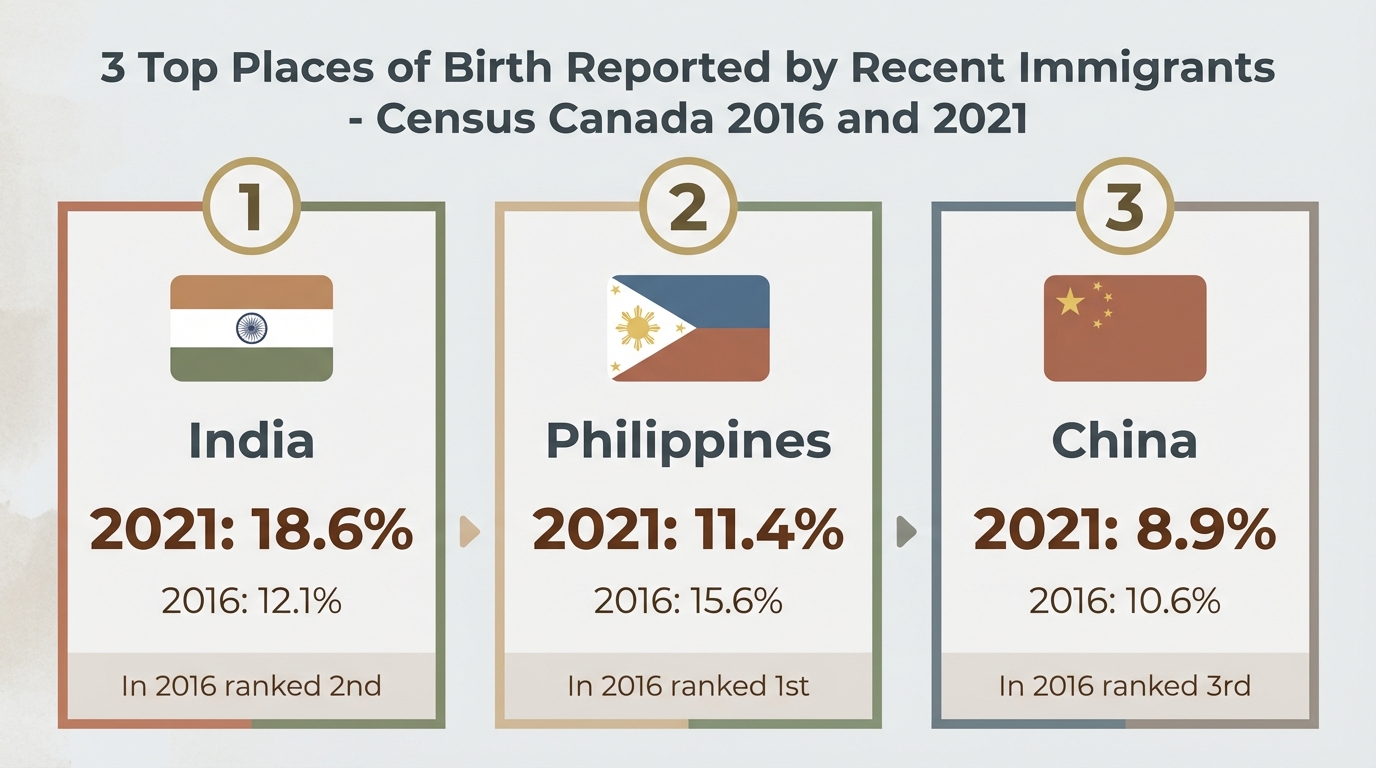
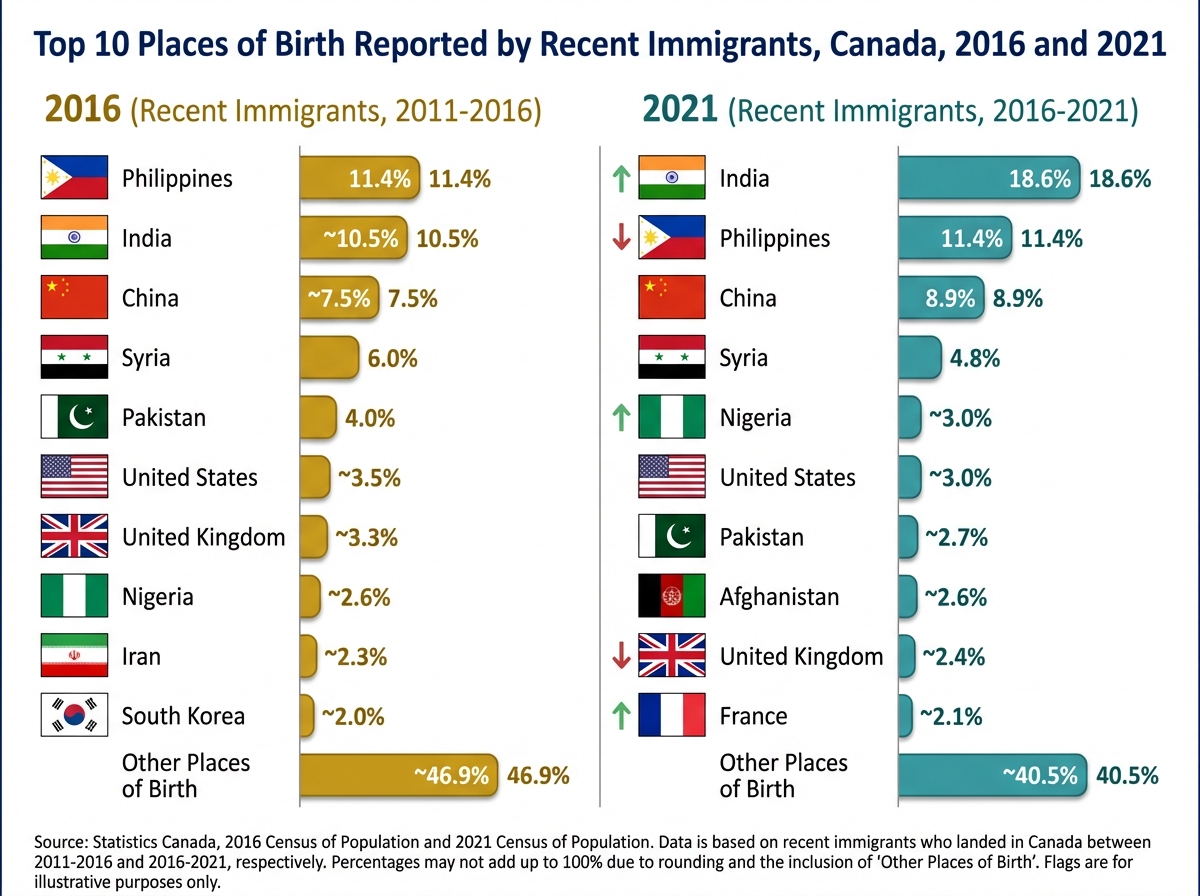
Where Are Canada's Immigrants Coming From?
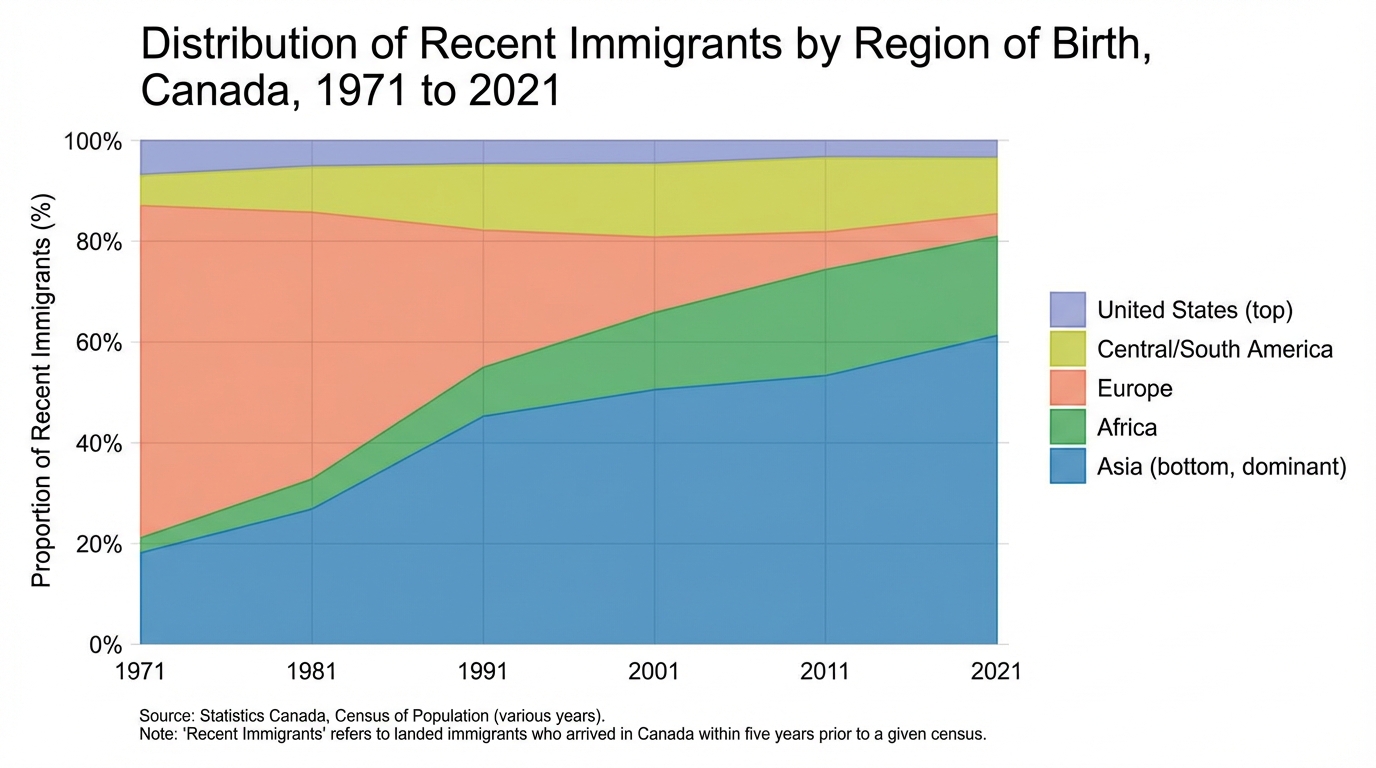
Since 2000, Asia has been the predominant source of immigration to Canada, and today roughly one in five Canadians have Asian roots. Between 2016 and 2021, Canada welcomed approximately 1.44 million new immigrants. The top source countries include India, China, Philippines, Nigeria, and Pakistan—reflecting both economic opportunities and humanitarian commitments.
While Asia has been the main source of immigration in recent years, and in particular India, 2022 was an outlier in that Canada welcomed a record number of Ukrainian refugees who have settled here under special immigration programs.
Don't Get Lost in Translation
One of the most important characteristics of multicultural communities is their language diversity. According to the 2021 Census, over one-fifth (21%) of Canadians reported speaking a language other than English or French as their primary home language. The most common languages spoken at home include Mandarin, Cantonese, Punjabi, Spanish, Tagalog, Arabic, and Vietnamese.
These language preferences indicate that multicultural marketers need to tailor their messages and channels to reach their target audiences effectively. For example, using bilingual or multilingual content, advertising on ethnic media outlets, and partnering with community organizations can significantly enhance message penetration and brand resonance.
A Rejuvenation Effect
Another outcome of immigration has been a rejuvenation effect on Canada's population. Indeed, most newcomers are in the younger age brackets, with 10.9% being youth and young adults aged 15-24, while 64.2% were of prime working age (25-64). This contrasts sharply with Canada's aging population, where many Canadian-born citizens are approaching or entering retirement.
Advertisers should be aware that immigrants in Canada tend to live within larger households, with more than 2 children per family, which translates into a greater potential consumer base. In addition, they often have higher household incomes and greater disposable income than their Canadian-born counterparts.
Urban Concentration and Regional Dispersion
"The vast majority of immigrants, recent or established, live in a major urban center".
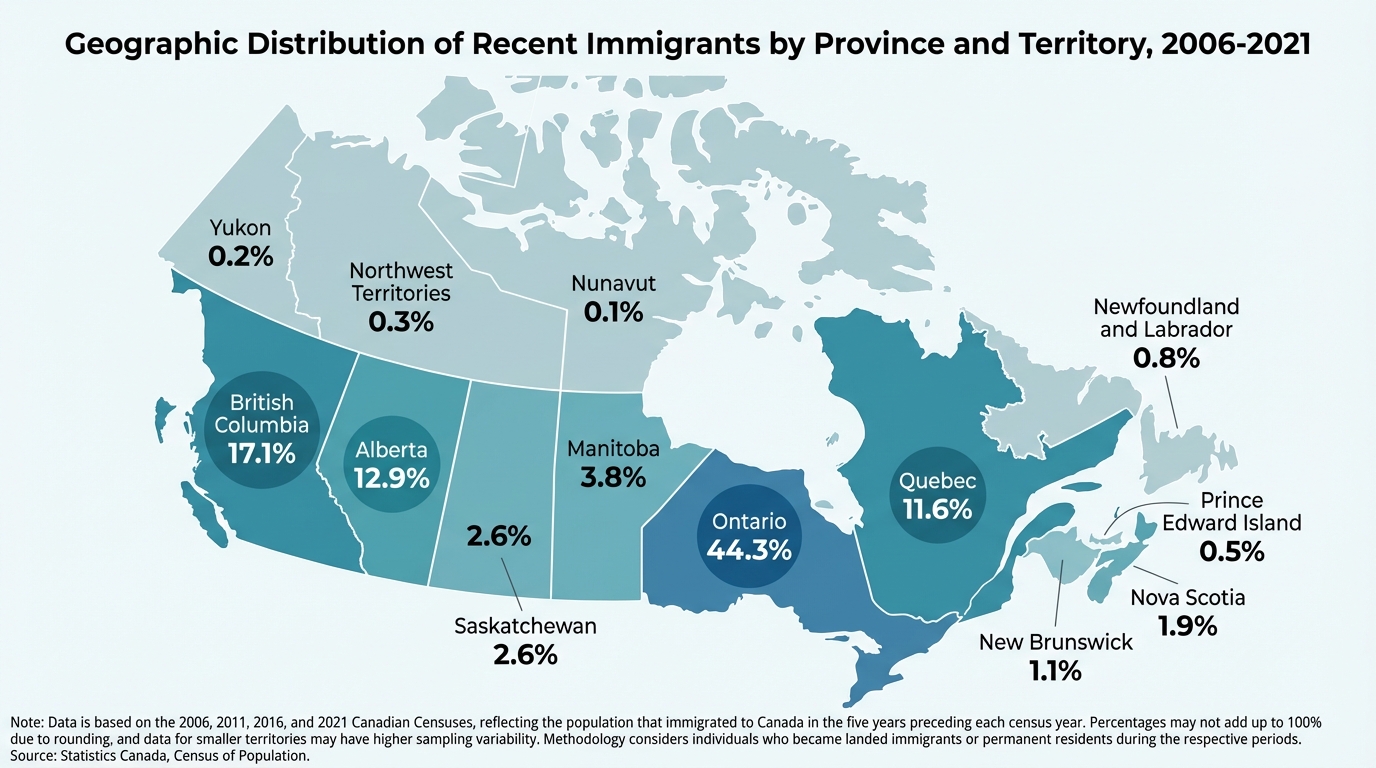
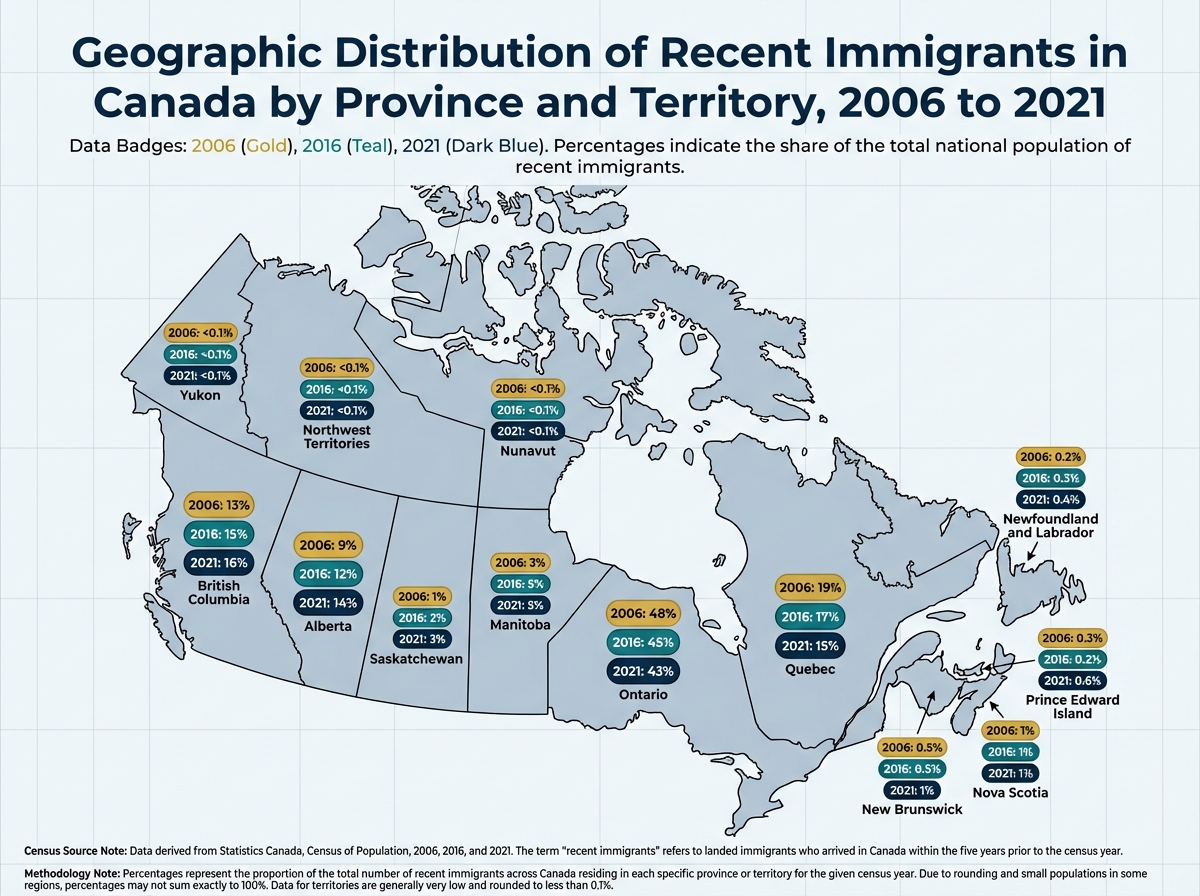
In 2021, 92% of immigrants chose to live in urban areas. They moved to the largest cities, where they had established friends, family and religious communities from their home countries to rely on. Toronto is the urban center with the largest proportion of immigrants overall (46.6%), followed by Vancouver (41.8%). Although the majority tends to establish in these two cities, a new trend is picking up as immigrants are increasingly choosing secondary cities like Calgary, Edmonton, Winnipeg, and Ottawa for settlement.
The Role of Multicultural Agencies in Modern Marketing
Multicultural advertising plays a key role when working with a diverse audience, especially if companies are looking to maximize their messaging to an audience of different backgrounds.
The role of multicultural agencies is crucial in this process, as they have the expertise, the connections and the creativity to help brands create effective and impactful multicultural campaigns. Multicultural agencies understand the nuances of different cultures, languages, and communication styles, and they can help brands navigate these complexities with authenticity and sensitivity.
Multicultural agencies are not only service providers but partners for brands who want to succeed in multicultural marketing. They can help brands connect with diverse audiences on a deeper level and build long-term customer relationships that drive loyalty and business growth.
Understanding Canada's multicultural landscape, informed by the insights of the 2021 Census, is essential for marketers aiming to build authentic connections with diverse audiences. The data is clear: immigration is reshaping Canada, and brands that invest in multicultural marketing strategies will be best positioned to capture growth in this dynamic and increasingly diverse market.